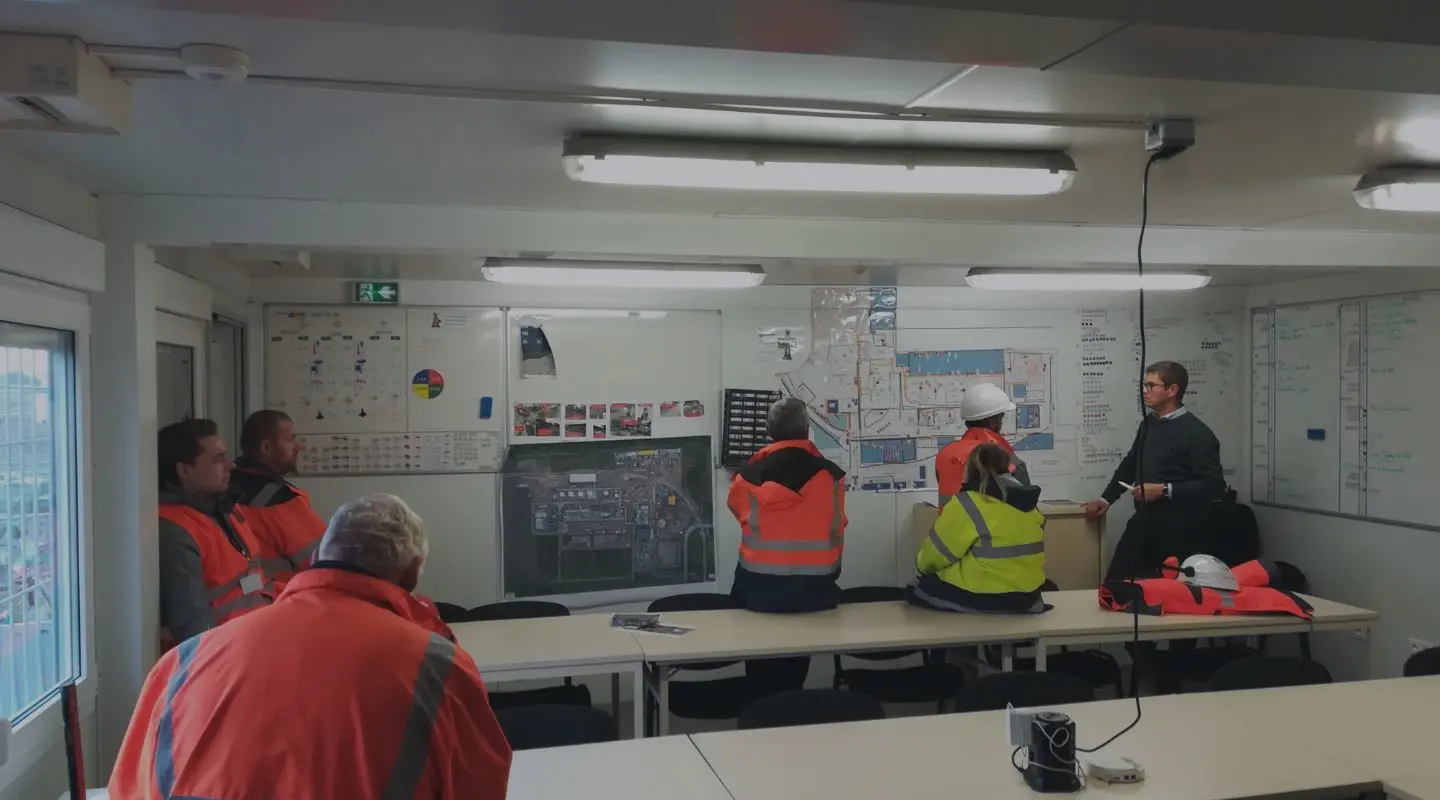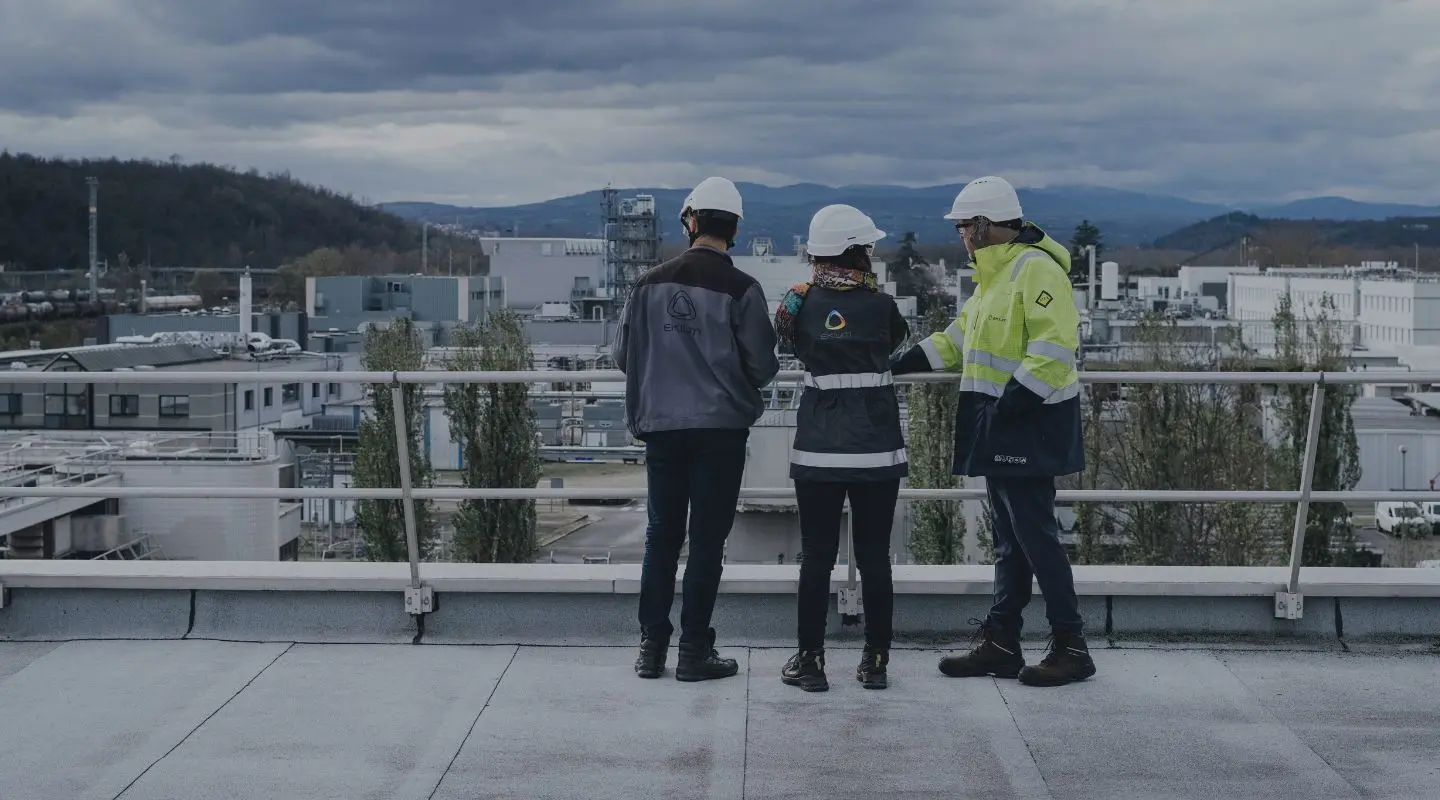
La préparation des arrêts chez Ekium repose sur un audit approfondi évaluant l'organisation, les moyens, le pilotage, l'efficacité et la collaboration entre les acteurs. Elle s'appuie sur un système de management structuré définissant la stratégie, le budget, les ressources, les rôles et les indicateurs de performance (KPI).
Chaque demande d'intervention est qualifiée par une analyse de risques, une évaluation et une prise de décision permettant d'élaborer une liste unitaire des travaux (LUT) chiffrée à ±30 % et d'établir un classement des risques (risk ranking). Les dossiers de consultation intègrent des plans de situation, la description des process et zones, la localisation géographique et les circuits de validation interservices.
L'expression des besoins inclut l'étude des accès (échafaudages, calorifugeage), la gestion des espaces communs, le chiffrage détaillé et l'alignement technique-commercial. La gestion documentaire s'organise autour des blocs d'équipements, de l'historique, des caractéristiques techniques et des plans d'inspection.
Les gammes d'intervention détaillent l'enchaînement des opérations, les tâches parallèles, les centres de travail (work centers), les tâches parents/enfants, le calcul des ressources et durées, ainsi qu'un chiffrage par tâche et métier à ±10 %, avec identification des points d'arrêt et préconisations métier. La gestion du matériel couvre la réservation et le contrôle des pièces de rechange, la création des demandes d'achat (longs délais, hors stock) et les fournitures entreprises.
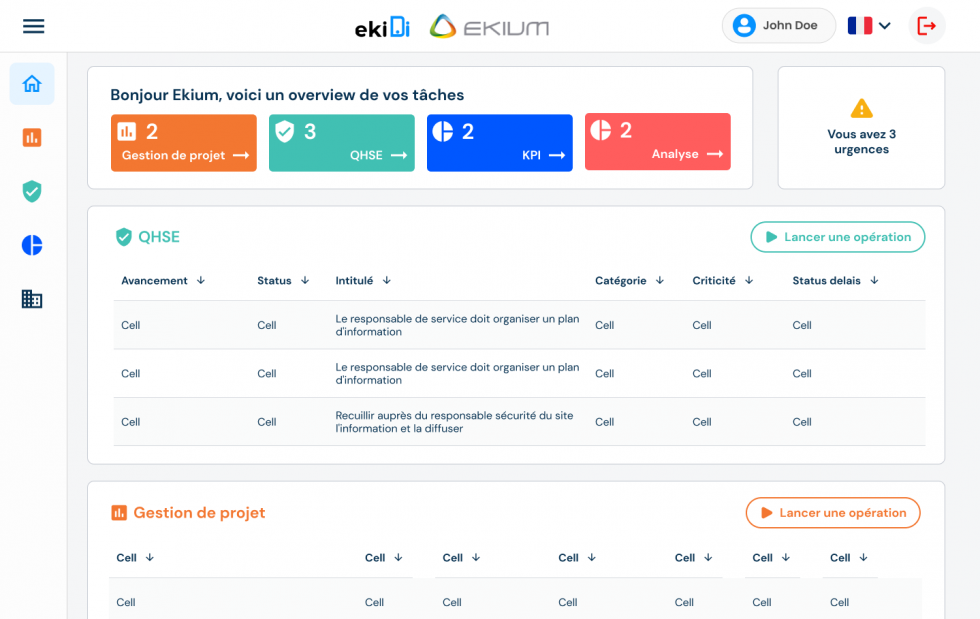
Le suivi de la préparation porte sur l'avancement par service, métier, zone et sur l'avancement global du projet, incluant des indicateurs qualitatifs (nombre de reprises). Un alignement technique-commercial continu et une capitalisation via mise à jour GMAO, enrichissement des plans de maintenance et constitution d'une base de données garantissent l'amélioration continue.
La planification de l'arrêt (niveaux 1 à 4) identifie les chemins critiques, optimise délais et ressources, et gère la coactivité. Enfin, la supervision terrain coordonne les entreprises, pilote les événements QSSE (audits, causeries), traite les faits marquants et questions diverses, et assure le suivi des avancements en temps réel.